Why Practical Learning Is Replacing Theory In Education

Education systems across the globe are shifting towards practicality. For decades, students learned purely from theories. Reading, memorizing, and reproducing theoretical material was considered essential. However, this approach failed to provide adequate practical knowledge.
In today’s world, there is a noticeable transition from traditional theory-based education to more practical learning. Students get more opportunities to learn through hands-on experiments and experience.
Why Is Practical Learning Gaining Ground? In modern times, the need for practical skills outweighs theoretical knowledge in many respects. The world calls for practical specialists.
Read on and discover why practical learning is crucial in modern education.
Understanding The Limitations Of Theory-Based Learning
First of all, let us define what theory-based learning is. The latter emphasizes theories and definitions in the learning process. Students are taught to understand concepts; however, they may fail to understand how to apply their theoretical knowledge to practice.
Thus, theoretical learning fails to create adequate experience and practical skills.
“Knowledge without application has limited value.”
The Rise Of Hands-On Learning
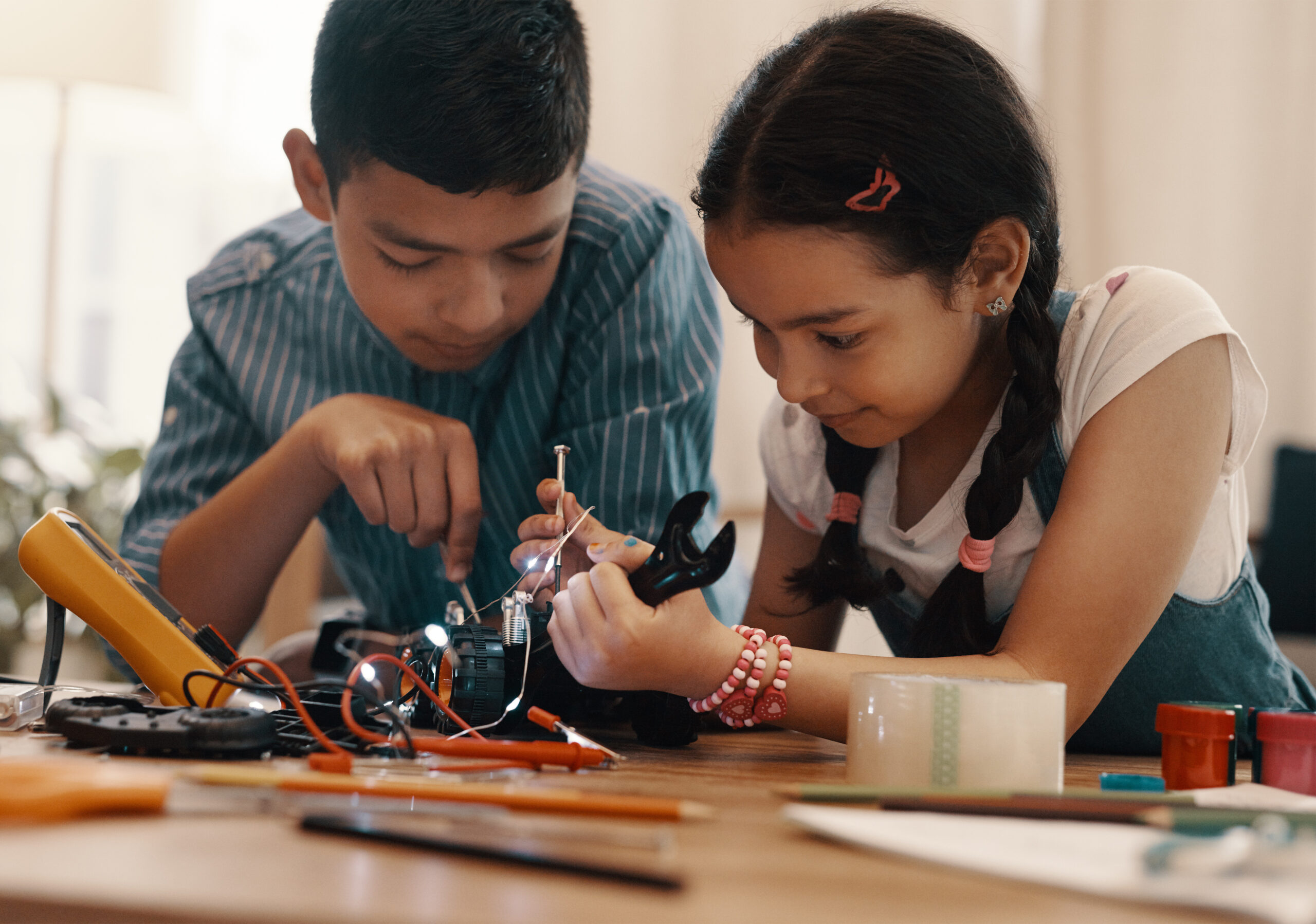
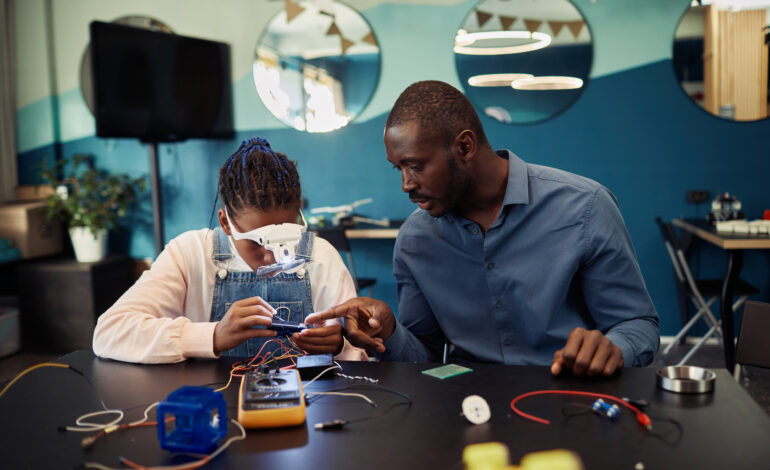
Practical learning involves performing hands-on tasks and experiments. When students learn by performing specific actions, they gain more profound experience.
Moreover, hands-on learning becomes engaging, thus motivating students. It helps them comprehend how concepts work in practice.
Improving Problem-Solving Skills
Performing practical assignments means solving various problems. As a result, learners improve their problem-solving skills. They get more chances to deal with various obstacles effectively.
Preparation for the Future Careers
Another great benefit of practical learning is that it prepares students to solve actual challenges. In other words, it enables learners to handle complex tasks and make decisions quickly.
Making Learning Process Interactive and Motivating
When students engage in hands-on learning, they do not passively absorb information but take part in the process. Thus, this kind of learning helps keep them motivated.
“Active learning creates active minds.”
Preparing Students To Handle Future Challenges
What is the purpose of education? The answer is simple: education aims to prepare learners for real life. Practical learning allows developing relevant skills and getting experience.
Building Confidence Through Experience
One more reason to introduce practical learning in educational institutions is building confidence. When students learn through actions, they become more confident about their skills.
Role of Technology in Practical Learning
Various technological tools allow conducting simulations and experiments even in the absence of relevant conditions. Technology can make hands-on learning available to all learners.
Challenges Related to Moving Away From Traditional Education
Moving from theoretical education to practical one requires additional effort from both sides. Thus, it may be rather difficult to adjust to new approaches. Nevertheless, the benefits of practical learning are significant.
How Important Is Theory?
Is there any point in introducing theoretical learning in education? The answer is affirmative since it is important for learners to have a deep understanding of various concepts.
Thus, both theory and practical assignments are required to create full-fledged knowledge.
Real-Life Impacts of Practical Learning
Practical learning has beneficial effects on learners’ academic performance. First of all, it allows students to understand complex concepts easily. Second, they become proficient at applying their knowledge.
Students who experience practical learning gain an obvious advantage.
Final Conclusion
Practical learning is becoming an essential part of the education system nowadays. Its main benefit lies in providing experience and making the learning process more interactive and engaging.