Why Practical Learning Is Replacing Theory In Education

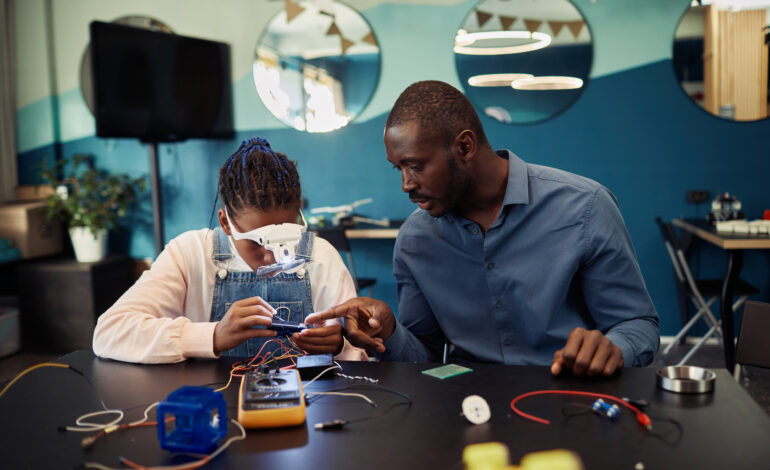
Education is changing in a way that is becoming more focused on real world application. For a long time, students were taught mainly through theory. They were expected to read, memorize, and reproduce information during exams. While this method helped in building basic knowledge, it often lacked real life understanding.
Today, there is a clear shift happening. Practical learning is slowly replacing traditional theory based education. Students are now encouraged to learn by doing, experimenting, and experiencing.
This change is not just a trend. It is a response to the needs of the modern world where skills and application matter more than memorization.
In this blog, you will explore why practical learning is becoming more important and how it is transforming education.
Understanding The Limitations Of Theory Based Learning
Theory based learning focuses mainly on concepts and definitions. While it helps in building knowledge, it often does not show how to use that knowledge in real situations.
Students may understand a concept but struggle to apply it.
This creates a gap between learning and real world use.
✨ “Knowledge without application has limited value.”
The Rise Of Hands On Learning
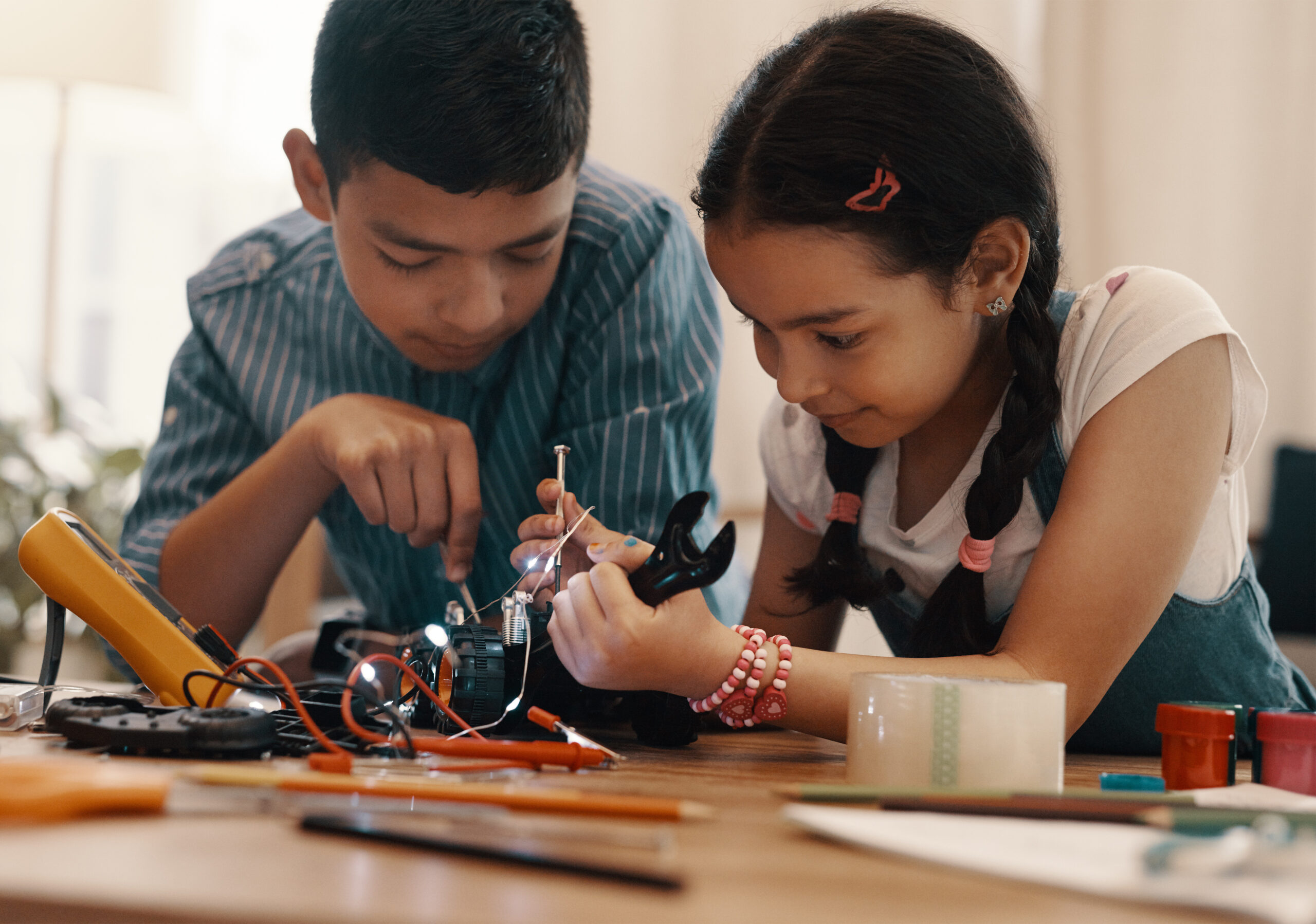
Practical learning focuses on hands on experience. Students learn by doing tasks, experiments, and projects.
This helps them understand how concepts work in real life.
It also makes learning more interesting and engaging.
Hands on learning creates deeper understanding.
Improving Problem Solving Skills
When students engage in practical learning, they face real challenges.
They need to think, analyze, and find solutions.
This improves problem solving skills.
Students become more confident in handling situations.
Making Learning More Engaging 😊
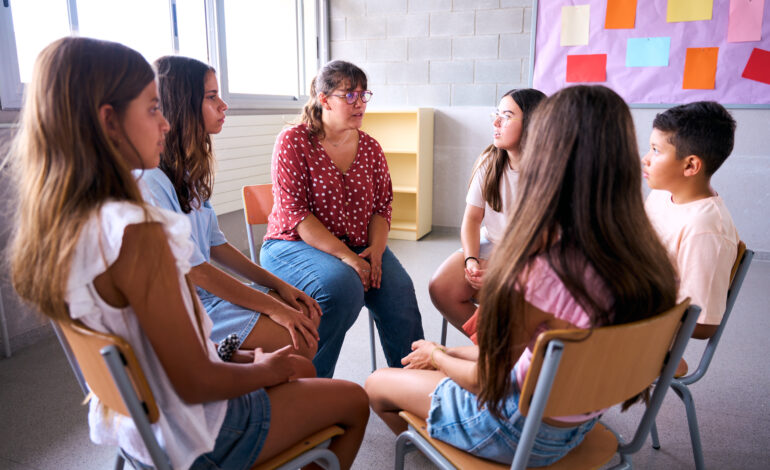
Practical learning makes education more interactive. Instead of just listening, students actively participate.
This keeps them interested and motivated.
✨ “Active learning creates active minds.”
Preparing Students For Real World Situations
The main goal of education is to prepare students for life.
Practical learning helps students develop skills that are useful in real situations.
They learn how to apply knowledge, work with others, and solve problems.
This prepares them for future careers.
Building Confidence Through Experience
When students practice what they learn, they become more confident.
They are not afraid to try new things.
Experience gives them a sense of control and understanding.
Confidence plays a key role in success.
Role Of Technology In Practical Learning
Technology is supporting practical learning in many ways.
Simulations, virtual labs, and digital tools allow students to experience real situations.
Even when physical resources are limited, technology provides alternatives.
This makes practical learning more accessible.
Challenges Of Moving Away From Theory
While practical learning has many benefits, shifting from theory based education can be challenging.
Students and teachers need to adapt to new methods.
It may require more resources and time.
However, the long term benefits make it worth the effort.
Importance Of Balance Between Theory And Practice
While practical learning is important, theory still has its place.
A strong understanding of concepts is necessary for effective application.
The best approach is a balance between theory and practice.
This creates complete understanding.
Real Life Impact On Students
Students who experience practical learning often perform better.
They understand concepts clearly and apply them effectively.
They are more prepared for real world challenges.
Practical learning gives them an advantage.
Final Conclusion
Practical learning is transforming education by focusing on real world application and skill development.
It makes learning more engaging, meaningful, and effective.
Students who embrace practical learning can build stronger understanding and confidence.
With the right balance of theory and practice, education can become more powerful and useful for the future.