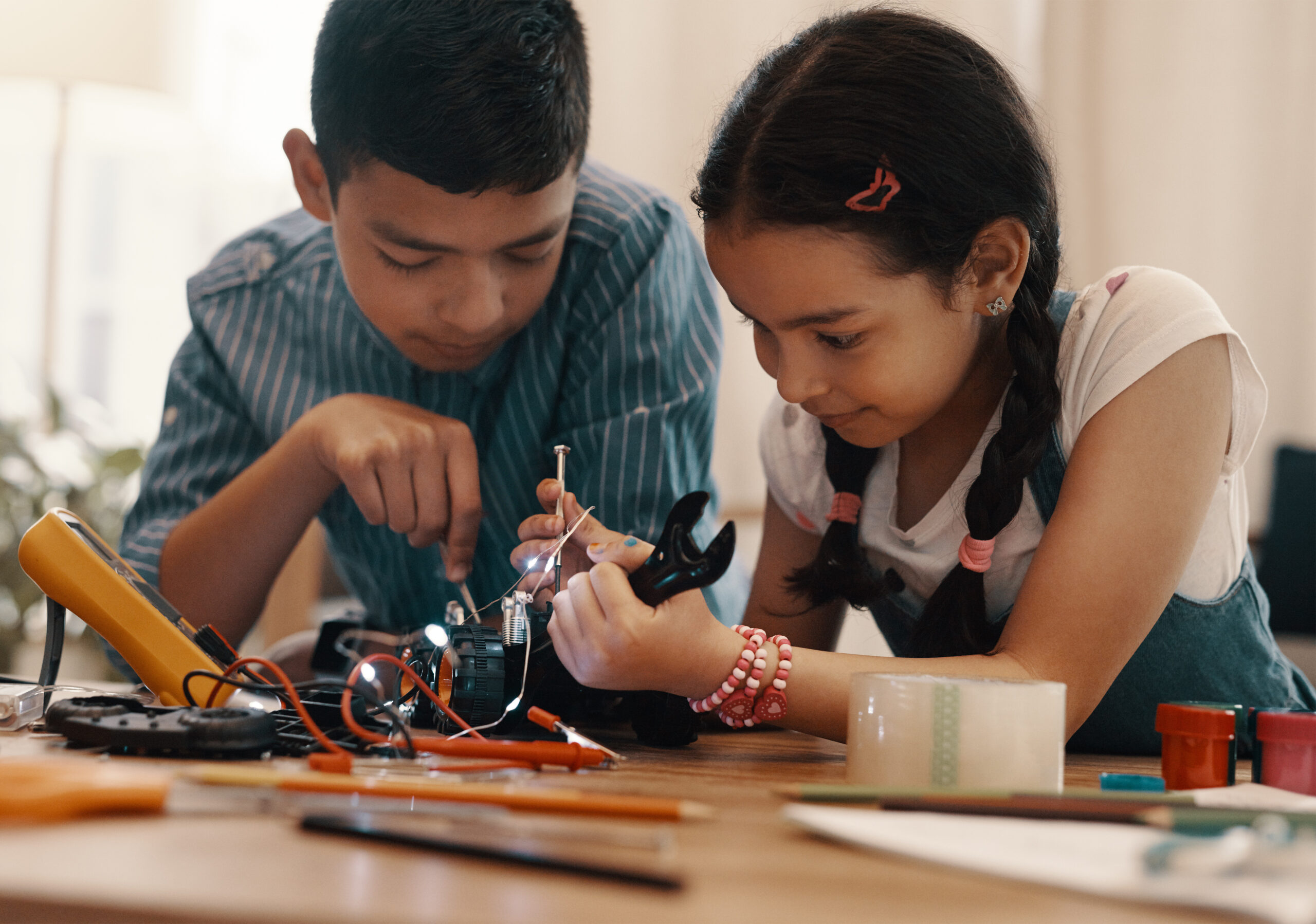
How Project Based Learning Is Transforming Student Skills


Educational trends nowadays favor techniques that would enable learners to apply gained knowledge and skills in practice and use it effectively in everyday life. Currently, one of the most promising educational methods gaining popularity is project-based learning. It involves not only studying textbooks but performing research and solving various issues.
This kind of learning allows changing the way people perceive and understand information. The main difference between traditional techniques and project-based learning lies in using theories, ideas, and concepts while applying them in practice.
The increasing importance of skills in today’s world makes this educational method relevant and promising.
Today, this article provides a detailed discussion on project-based learning, its impact on students’ skills, and its features.
What Is Project-Based Learning
Project-based learning is the type of educational technique when the person studies by completing certain tasks and solving problems. Projects are related to real-life situations and can be performed in different spheres.
The process of working on projects and finding the most optimal solutions is beneficial for learners as they manage to gain a deeper comprehension of concepts and theories.
“Learners understand better when they are involved.”
From Memorization to Applying Knowledge
Memorizing the material has been the core of traditional techniques for decades.
Unfortunately, memorizing does not provide a profound understanding of concepts and skills. Learners might have some difficulties applying knowledge acquired at lectures or seminars in practice.
Project-based learning allows focusing on application and practical use.
Developing Problem-Solving Skills
When working on projects, students face numerous difficulties they have to resolve. Such tasks enhance critical thinking and decision-making.
They encourage logical analysis and finding solutions to different problems.
“Problems mean opportunities for learning.”
Promoting Teamwork and Collaboration
Some projects might require the presence of a group. In such case, students learn teamwork and collaboration.
They learn to cooperate with each other, discuss issues and share solutions.
Groupwork and collaboration are vitally important nowadays.
Enhancing Communication Skills
In project-based learning, learners present and discuss ideas and solutions.
Communication becomes a vital skill helping to communicate thoughts and views clearly and comprehensively.
Efficient communication is necessary in any sphere.
Fostering Creativity and Innovation
Working on projects encourages innovative thinking as learners are free to choose approaches to find the solution. There is no definite answer; therefore, students can try several approaches.
Such attitude promotes innovation.
Creativity has become an essential component of modern education.
Increasing Student Engagement
Projects stimulate engagement of learners in the learning process as they have to act to achieve their goals.
It leads to increased enthusiasm of learners who feel themselves involved.
Being interested in a project promotes success.
Teachers’ Role in Project-Based Learning
During project-based learning, teachers assume the role of facilitators.
They guide students and provide feedback and suggestions concerning their work.
The process becomes more interactive.
Main Challenges of Project-Based Learning
There exist some difficulties with implementing the project-based method.
Projects involve much effort and time.
Sometimes, students face problems with organizing their work and finding solutions to complex issues.
Nevertheless, such challenges contribute to learning.
Project Learning versus Traditional Study
Projects and theoretical concepts complement each other and are inseparable elements of the learning process. Project-based learning should be combined with conventional approaches.
A balance is necessary for successful implementation.
Real Life and Its Impact on Students
Students experiencing project-based learning benefit greatly from it.
They develop different skills and become creative and productive individuals capable of performing complex tasks.
This educational method favors comprehensive development.
Conclusion
Thus, project-based learning is a new technique of modern education involving practical implementation of knowledge. It allows enhancing skills of learners and applying theoretical knowledge in practice. Working on projects is an experience for students helping to grow professionally.