
Why Hybrid Learning Is Becoming Popular In Education

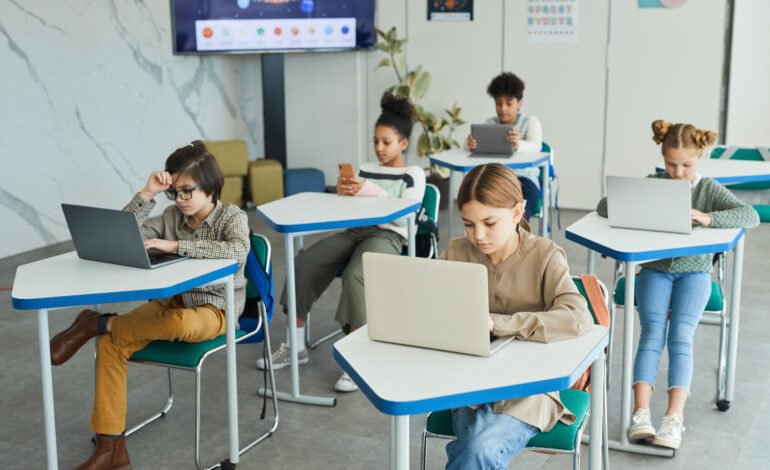
Education has been going through significant changes lately, and we cannot even imagine how it will look like several years later. However, there is one particular trend which gained popularity quite quickly – hybrid learning. Combining traditional classes with digital education leads to an interesting approach to studying.
This type of education is not temporary since it has already affected the future development of the education system.
In this blog, you will find out what hybrid learning is and why it becomes increasingly popular nowadays.
What Is Hybrid Learning?
As the name suggests, hybrid learning is a combination of offline and online educational process. Students attend lessons personally and at the same time, use online platforms for learning. Thus, they have the opportunity to enjoy all the benefits of each approach.
Why Hybrid Education Is So Popular?
Flexibility in Learning
The ability to study using two approaches at once is an important advantage for students. They do not necessarily have to be at school all the time. Instead, they can combine attending classes with studying at home, managing time more effectively.
Access to a Wide Variety of Resources
Hybrid learning provides a wider access to educational materials. Books, various courses on the Internet, video lectures – all this contributes to better understanding of subjects.
Improvement of Engagement
Since hybrid education involves the use of multiple approaches, it helps students maintain their attention. They can participate in discussions, watch videos, attend personal classes, etc.
Adaptation of the Approach to Individual Learning Styles
All people have their own ways of perceiving information. Some students like to listen and discuss the topic with other people, while others prefer to write. Hybrid learning gives the opportunity to choose the most suitable method of studying.
Development of Digital Skills
Since students use online educational platforms, they develop their digital skills. This aspect will be useful in their future careers.
Disadvantages of Hybrid Learning
As you may guess, hybrid learning has its drawbacks.
Firstly, it requires good time management skills from students. At the same time, balancing between online and offline education is not easy.
Secondly, students should show initiative when using online courses. Otherwise, they risk missing some important details.
Role of Teachers in Hybrid Learning
Teachers are responsible for both types of studying. Moreover, they help students find necessary information and participate in discussions.
Impact of Hybrid Education on the Students’ Real Life
Students who adapt to hybrid learning get plenty of benefits. First of all, they become more independent and flexible. They learn how to control their time and use resources more effectively.
Final Conclusion
Hybrid learning combines traditional education with modern technologies. This approach helps learners improve their engagement and use different methods of studying.